

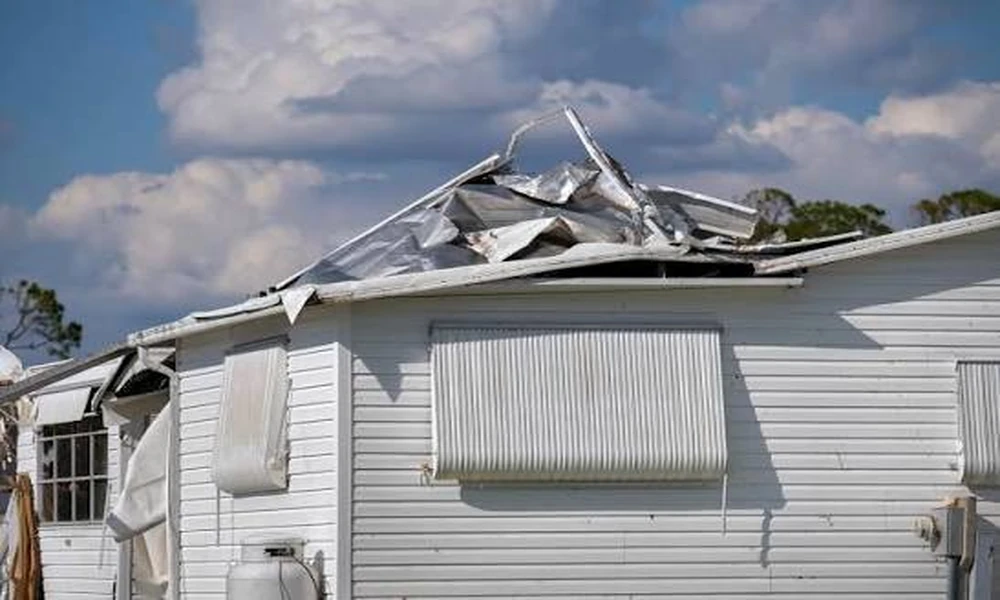
Water damage crews keep a phrase for the hour after a window breaks: the wide open window. The first sixty minutes after glass fails, the damage is mostly physical. After that, it becomes financial, because air, rain, and people all move through the same opening. I’ve walked a few of these calls. The pattern holds. Owners who act fast spend less.
Here’s the promise: by the end of this piece you’ll have a simple test for deciding whether a property needs emergency boarding tonight or can hold until a scheduled crew arrives. You’ll know what to do in the gap, how to brief whoever you hire, and which details insurers actually ask about. No fog, no scare tactics.
What Actually Counts as an Emergency
Not every broken window is an emergency. Some are inconveniences with a deadline. The difference comes down to three things happening at once: exposure to weather, exposure to people, and structural risk.
Think about a storefront on a Friday night. A rock through the front glass leaves a hole at street level in a commercial district with foot traffic. That’s an emergency, even if the weather is calm. Now think about a second floor bedroom window cracked by a falling branch, in a quiet residential neighborhood, with a tarp and a sheet of plywood sitting in the garage. That can usually wait until morning.
Here’s how I’d sort the calls:
- Immediate: ground level openings, occupied buildings, forecast rain or wind, anything after dark.
- Same day: upper floor openings, vacant structures, calm weather, visible interior contents.
- Next morning: hairline cracks, intact frames, no exposed interior, no forecast precipitation.
- Not a board up at all: damage to a fence, a shed door, or an outbuilding you can empty of valuables.
One more thing. Wind and pressure are unforgiving once a building envelope opens. The Department of Energy explains how air infiltration changes the way a structure performs, and a hole in the wall is the extreme version of that problem. You’re not just keeping rain out. You’re keeping the whole building from breathing wrong.
The Five Minute Walkthrough You Should Do Before Anyone Arrives
You can do this with a phone flashlight and shoes you don’t care about. I call it the Five Minute Walkthrough, and it does two jobs: it keeps you safe, and it gives the crew a head start the moment they pull up.
Start outside. Stand back at the curb. Look at the roofline, the siding, and the gap itself. Note anything hanging, leaning, or cracked above the opening. If a power line is down, stop and call the utility. Nothing else on this list matters until that’s handled.
Photograph everything before you touch anything. Wide shots first, then a close shot of each opening, then a shot with something for scale. A shoe, a broom, a dollar bill. Photos taken before the board goes up are the ones that make claims move quickly.
Then go inside. Check for water on the floor under the opening, and for daylight coming through places it shouldn’t. Daylight in a wall cavity is a bigger job than a single pane.
Finally, note access. Where can a truck park? Is there a gate code, a dog, a locked interior door between the crew and the opening? Text that to whoever is coming. It saves ten or fifteen minutes on arrival, and those minutes matter more than the hole itself.
This walkthrough is also where you decide whether you’re dealing with one opening or five. Storm damage rarely stops at a single window, and the difference between a one panel job and a whole first floor changes who you need to call.
Why Weather Is the Hidden Multiplier
A broken window in July is annoying. The same window in a storm cycle is a construction project. Water gets into wall cavities, insulation, and drywall, and it keeps moving. The National Aeronautics and Space Administration studies how weather systems develop and track, which is the same science forecasting what’s about to hit your zip code here. If rain is in the next twelve hours, treat the call as urgent, and mention the forecast when you phone in so the crew can stage materials accordingly.
Wind matters just as much as rain, and it’s the part people underestimate. An open window becomes a pressure relief point. In high wind, air pushes through the opening, and interior doors can slam or pop. If your forecast includes sustained wind, boarding isn’t optional. It’s the cheapest thing you’ll do all week.
Here’s the order I’d use when weather is coming and you’re waiting on a crew:
- Close and lock every interior door between the opening and the rest of the building.
- Pull electronics, paperwork, and anything fabric away from the wall below the opening.
- Move valuables out of sight from the street, not just out of the rain.
- Put a towel line at the base of the opening to catch what seeps in.
- Do not tape plastic over the opening and call it done. Tape fails in wind, and the plastic becomes a sail.
What a Board Up Crew Actually Does When They Arrive
Good crews work in a set order, and knowing it helps you brief them in thirty seconds instead of five minutes. First, they secure the largest opening, usually a door or an entry point, because that’s where access risk is highest. Then windows, working from ground level up. Then anything structural, like a wall section that’s been pushed in.
Ask three questions on the phone. What material do you use, plywood or polycarbonate? How long will the boarding stay up before it needs replacement? Will you document the openings with photos for my claim? Most crews use plywood for temporary coverage and keep it in place until the permanent repair happens. Polycarbonate shows up more on storefronts where owners want light and visibility, and it costs more per opening.
You should also expect a name and a time. If a company can’t tell you who’s coming and when, that’s your answer. Emergency work runs on dispatch, and dispatch should be able to say “Marcus, by ten.”
For the record, if you’re staring at a window or door situation tonight, a window and door board up in Chesterfield, MO, is the kind of call that gets answered around the clock, which is the standard you should hold every provider to, not just the one you happen to reach first.
The Aftermath: What Your Claim Actually Needs
Insurers don’t pay for drama. They pay for evidence. Your job after the board is up is simple: assemble a file before the adrenaline wears off.
Grab the before photos, the crew’s documentation, the invoice, and a short written timeline. The Federal Emergency Management Agency publishes guidance on documenting disaster damage, and the underlying principle is the same whether it’s a wildfire or a broken window: dates, images, and a plain description of what was damaged and when here. Write it the same week while you still remember which window cracked first.
Keep the receipts for anything you bought in the gap too. Tarps, caulk, plywood, a shop vac, a hotel room if the building was unusable. Small numbers add up, and they’re easy to prove when you have the paper.
Quick Decision Guide
| Situation | Call tonight? | Why |
|---|---|---|
| Ground floor window broken, occupied building | Yes | Access risk plus weather exposure |
| Upper floor crack, calm forecast, valuables moved | No | Low access risk, interior protected |
| Storefront door jam broken | Yes | Entry is the highest exposure point |
| Wall pushed in, roof intact | Yes | Structural stabilization, not just covering |
| Shed or outbuilding damaged, nothing inside | No | Nothing to protect, schedule it |
My honest take after seeing both kinds of calls: people almost never regret boarding a building a day early. They regret waiting a day. And the gap isn’t just about damage. It’s the sleep you lose wondering whether someone else found the opening before you did.
So here’s the question to sit with tonight. If a window in your building failed at this exact moment, would you know who to call, what to say, and where your camera is? Answer those three before you need them, and the next broken window becomes an errand instead of an event.
