

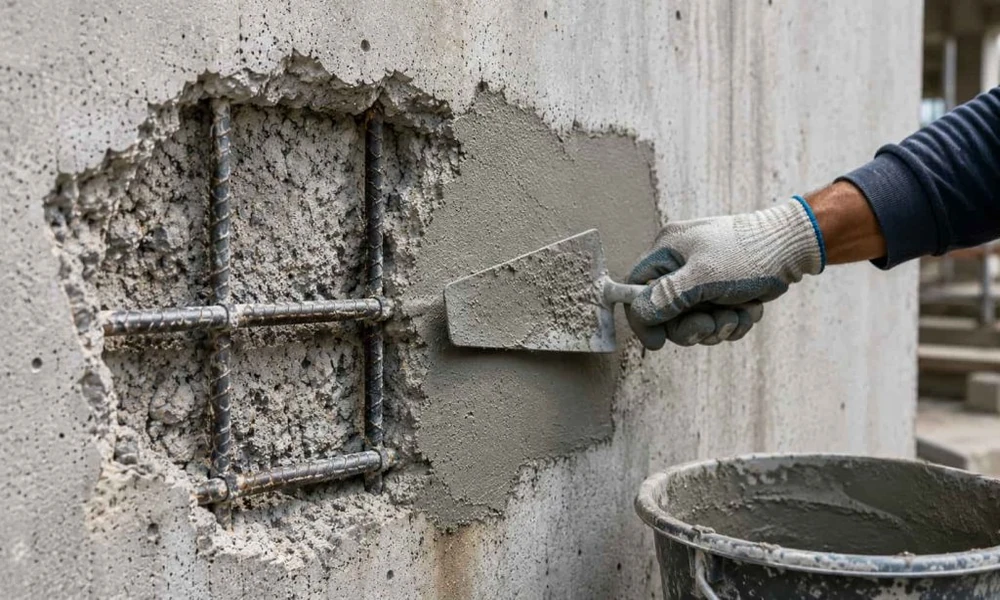
Concrete damage rarely begins with major cracks or falling pieces. Most structural problems start with small signs that appear harmless, such as minor flaking, hairline cracks, or isolated surface chips. These early defects allow moisture to enter the concrete, where it can reach reinforcing steel and gradually weaken the structure from within. Addressing these issues promptly helps preserve structural integrity while reducing repair costs. This article explains how early repairs protect concrete structures and why timely action prevents more extensive restoration work.
Early Signs Property Owners Should Never Ignore
Small surface defects are usually the first indication that concrete requires attention. Spall damage restoration specialists help identify these warning signs early, allowing repairs to remain simple before the damage spreads deeper into the structure.
Small Surface Cracks
Hairline cracks may seem cosmetic, but they create pathways for water to penetrate the concrete. Repeated moisture exposure gradually enlarges these openings, making future repairs more extensive. Even small areas of flaking or chipped concrete deserve a professional evaluation.
Rust Stains Around Concrete
Brown or orange stains near cracks usually indicate that reinforcing steel inside the concrete has started to corrode. As steel rusts, it expands and places pressure on the surrounding concrete, causing additional cracking and surface separation.
Loose or Hollow Concrete
Concrete that sounds hollow when lightly tapped may have separated from the underlying structure. This condition, known as delamination, weakens the affected area and increases the likelihood of concrete breaking away if repairs are delayed.
How Early Repairs Reduce Long-Term Restoration Costs
Prompt repairs usually involve a much smaller repair area than projects completed after years of deterioration. Addressing minor damage early also protects structural components that would otherwise require replacement.
Less Concrete Requires Removal
Small repair areas require less demolition and reconstruction. Technicians remove only damaged sections while preserving the surrounding concrete, reducing labor and material costs.
Reinforcing Steel Can Be Protected
Early intervention allows corroded reinforcement to be cleaned and treated before significant deterioration occurs. Preserving existing steel helps maintain structural strength and reduces the need for extensive reconstruction.
Fewer Disruptions for Property Owners
Smaller restoration projects are generally completed faster and create less disruption for homes, condominiums, commercial buildings, and other occupied properties.
Early repairs may help reduce:
- Labor expenses
- Material replacement costs
- Repair timelines
- Structural deterioration
- Maintenance interruptions
What Professional Restoration Specialists Do During Early Repairs
Professional restoration focuses on correcting both the visible damage and the conditions that caused it. Experienced restoration specialists follow a systematic repair process designed to restore structural performance.
Complete Damage Assessment
The repair process begins with a thorough inspection to identify visible deterioration and hidden areas affected by moisture or corrosion. This evaluation helps determine the full extent of repairs needed.
Remove Unsound Concrete
Loose, cracked, or weakened concrete is carefully removed until a solid surface remains. Proper preparation creates a stable foundation for the repair materials.
Treat Reinforcing Steel
If reinforcing steel is exposed, technicians remove corrosion and apply protective treatments before placing new repair materials. This step helps slow future deterioration.
Restore Concrete with Compatible Materials
Repair mortars formulated for structural restoration replace the removed concrete. After curing, protective coatings or sealants may be applied to help reduce future moisture intrusion and improve durability.
Regular Maintenance Helps Prevent Major Structural Repairs
Routine inspections allow small defects to be repaired before they expand into larger structural problems. Property owners should also address drainage concerns, repair cracks promptly, and reduce sources of moisture whenever possible. Protective sealants may provide additional defense against water intrusion in suitable applications. Working with experienced spall damage restoration specialists helps identify hidden deterioration, recommend appropriate repairs, and preserve concrete structures before extensive restoration becomes necessary.
Small areas of spall damage can quickly develop into significant structural concerns when moisture reaches reinforcing steel and corrosion continues unchecked. Early repairs help preserve concrete strength, reduce restoration costs, and extend the service life of buildings and structural elements. Regular inspections combined with timely repairs provide an effective way to protect concrete structures and avoid more extensive restoration projects in the future.
