

Osteoporosis affects bone density, balance, and long-term mobility, especially among aging adults across Minnesota. Colder weather, limited outdoor movement during winter, and vitamin deficiencies can place additional stress on bone health. Patients searching for supportive recovery methods frequently explore therapies that work alongside physician-guided medical care.
Natural support programs continue to gain attention because they address comfort, movement, nutrition, and lifestyle habits together. Clinics across the state now offer wellness-focused services designed to strengthen physical function and reduce fracture risks. To learn more about the therapies, please read this article.
Nutritional Therapy for Stronger Bone Recovery
Diet plays a major role in bone repair and mineral support. Calcium-rich foods, magnesium, vitamin D, and protein help maintain structural strength while supporting muscle stability. Healthcare specialists frequently recommend meal plans that match age, mobility, and bone density concerns.
Patients researching Alternative Treatment for Osteoporosis in MN frequently explore nutrition counseling before choosing advanced therapies. Personalized food guidance can support digestion, nutrient absorption, and healthy weight maintenance. Consistent nutritional care also helps patients maintain energy levels during rehabilitation programs.
Importance of Reputable Clinics in Minnesota
Trusted Care Standards Matter for Long-Term Results
Experienced clinics provide detailed evaluations before suggesting alternative therapies. Bone density reviews, mobility assessments, and medical history checks help create safer treatment plans for each patient. Reputable facilities also maintain collaboration with orthopedic specialists and rehabilitation experts.
Residents in Minnesota should carefully review clinic credentials, therapy certifications, and patient testimonials before starting treatment. Reliable centers explain recovery expectations clearly and maintain transparent communication throughout the process. Strong professional guidance reduces unnecessary risks and supports better treatment consistency.
Physical Therapy and Gentle Movement Programs
Safe Exercises Improve Balance and Joint Stability
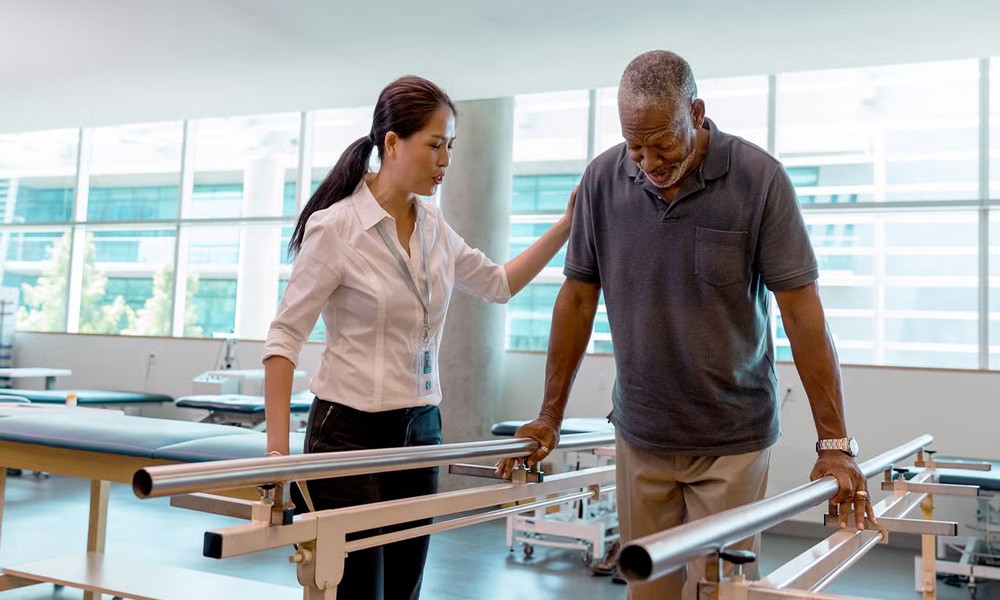
Movement-focused therapies remain essential for osteoporosis recovery because they strengthen muscles around vulnerable bones. Licensed therapists create low-impact exercise routines that support posture, flexibility, and coordination. Patients thus gain better confidence during daily movement through guided sessions.
Helpful therapy approaches may include:
- Resistance band exercises for muscle support.
- Water-based therapy for joint comfort.
- Stretching routines that improve posture.
- Supervised balance exercises for fall prevention.
Rehabilitation centers in Minnesota frequently combine these methods with home exercise education. Patients who remain consistent with guided movement plans may notice improved endurance and reduced stiffness over time.
Acupuncture and Massage Therapy Support
Alternative wellness treatments can provide relief from chronic discomfort linked to osteoporosis-related strain. Acupuncture sessions may encourage relaxation, improve circulation, and reduce tension around affected areas. Massage therapy also supports muscle comfort and flexibility when performed by trained professionals.
Several clinics that offer Alternative Treatment for Osteoporosis in MN include complementary therapies alongside rehabilitation care. Gentle soft-tissue techniques help reduce physical stress caused by limited mobility or previous fractures. Recovery programs feel more manageable when pain relief and relaxation remain part of the treatment strategy.
Herbal Support and Lifestyle Adjustments
Certain herbal supplements attract attention for their potential role in bone wellness. Patients should always discuss herbal products with qualified healthcare professionals before use because supplement interactions may affect existing medications. Proper guidance helps patients avoid unnecessary complications during recovery.
Lifestyle adjustments can strengthen recovery efforts significantly, including:
- Daily sunlight exposure for vitamin D support.
- Smoking cessation for improved bone health.
- Sleep routines that support tissue repair.
- Stress management practices for better physical balance.
Small changes practiced consistently can improve long-term recovery outcomes. Patients who combine healthy routines with professional therapy plans frequently experience better mobility and stronger physical confidence.
Osteoporosis recovery requires careful support that addresses movement, nutrition, comfort, and daily habits together. Alternative therapies can strengthen traditional treatment plans when guided through reputable healthcare providers. Patients across Minnesota benefit most from personalized care designed around safety, consistency, and long-term bone health.
