

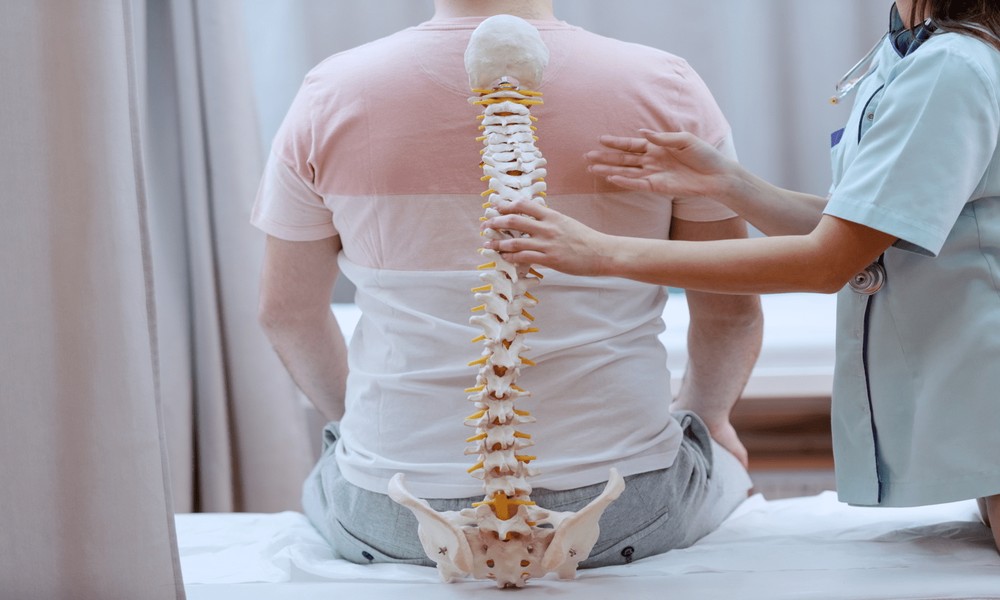
Back pain often appears after a long day or minor strain, so it is easy to dismiss it as temporary discomfort. However, some types of pain point to deeper concerns, especially when the spine faces trauma or structural weakness. A fracture in the spine can develop after an accident, a fall, or even due to conditions such as osteoporosis. Early attention to warning signs plays a major role in avoiding long-term complications and restoring comfort.
A sudden change in posture, persistent discomfort, or difficulty with movement may indicate a more serious issue than simple strain. Guidance from a vertebral compression fracture specialist in Phoenix can help identify the exact cause and determine the right care path. This article highlights key symptoms that signal the need for specialist evaluation and explains how timely care can support recovery and spinal stability.
Persistent Back Pain That Does Not Ease
Pain that continues for several days or intensifies over time deserves attention. Unlike muscle soreness that fades with rest, fracture-related pain often stays sharp and localized. The discomfort may feel worse during standing or walking and may reduce slightly during rest. This type of pain can limit daily tasks and reduce mobility. Pain that interferes with sleep or returns after minor activity signals the need for proper evaluation. A specialist in Phoenix can assess the spine through imaging tests and confirm whether a fracture exists.
Sudden Height Loss or Posture Changes
A noticeable reduction in height or a forward-leaning posture can signal a spinal fracture. Vertebral compression fractures often cause the spine to collapse slightly, which leads to a shorter stature over time. Postural changes may appear subtle at first. Over time, a rounded upper back or stooped appearance becomes more visible. These changes may affect balance and increase the risk of falls. Early diagnosis helps prevent further structural damage and supports posture correction through targeted care.
Limited Mobility and Stiffness
Restricted movement in the back often accompanies a spinal fracture. Simple actions such as bending, twisting, or reaching may feel difficult or painful. This stiffness may worsen after periods of inactivity. Mobility issues can reduce independence and affect quality of life. A specialist in Phoenix can recommend therapies or procedures that restore movement and reduce discomfort. Addressing stiffness early can prevent long-term limitations.
Pain That Radiates to Other Areas
Pain from a spinal fracture may extend beyond the back. Some individuals feel discomfort in the hips, abdomen, or legs. This happens when nerves near the affected vertebra experience pressure or irritation. Radiating pain may appear as a dull ache or sharp sensation. It may increase during movement or certain positions. This symptom requires careful evaluation to rule out nerve involvement and determine the appropriate treatment approach.
Pain After Minor Trauma or Routine Activity
A fracture does not always result from a major accident. In some cases, simple actions such as lifting a light object or a small fall can lead to a vertebral fracture, especially in individuals with weakened bones. Pain that starts after a routine activity and does not improve with rest should raise concern. A detailed assessment helps determine whether bone health issues contribute to the condition. Early care can strengthen the spine and reduce the risk of additional fractures.
Difficulty Standing or Walking for Long Periods
A spinal fracture can affect endurance and stability. Standing or walking for extended periods may trigger pain or fatigue. This symptom often leads to reduced activity levels and impacts daily routines. Proper evaluation identifies the source of discomfort and guides treatment. Options may include supportive therapies, minimally invasive procedures, or lifestyle adjustments that protect spinal health.
Visible Spine Deformity
In some cases, a fracture leads to visible changes in the shape of the spine. A hump or curve in the upper back may develop over time. This deformity may cause discomfort and affect breathing or digestion in severe cases. Addressing deformity early helps maintain spinal alignment and overall health. A specialist can recommend solutions that support both function and appearance.
Why Early Specialist Care Matters
Prompt attention to symptoms ensures better outcomes. Delayed treatment may lead to chronic pain, reduced mobility, or additional fractures. Specialist care focuses on accurate diagnosis and tailored treatment plans. A vertebral compression fracture specialist in Phoenix can provide advanced diagnostic tools and personalized care options. Treatment may include bracing, medication, or minimally invasive procedures designed to stabilize the spine and reduce pain. Early intervention improves recovery and helps maintain independence.
Spinal fractures often present subtle signs that can progress if ignored. Persistent pain, posture changes, and limited mobility deserve careful evaluation. Early recognition allows timely treatment and reduces the risk of long-term complications. Specialist care in Phoenix offers targeted solutions that support healing and restore comfort. Paying attention to these symptoms can protect spinal health and improve quality of life. Taking action at the right time makes a significant difference in recovery and overall well-being.
